



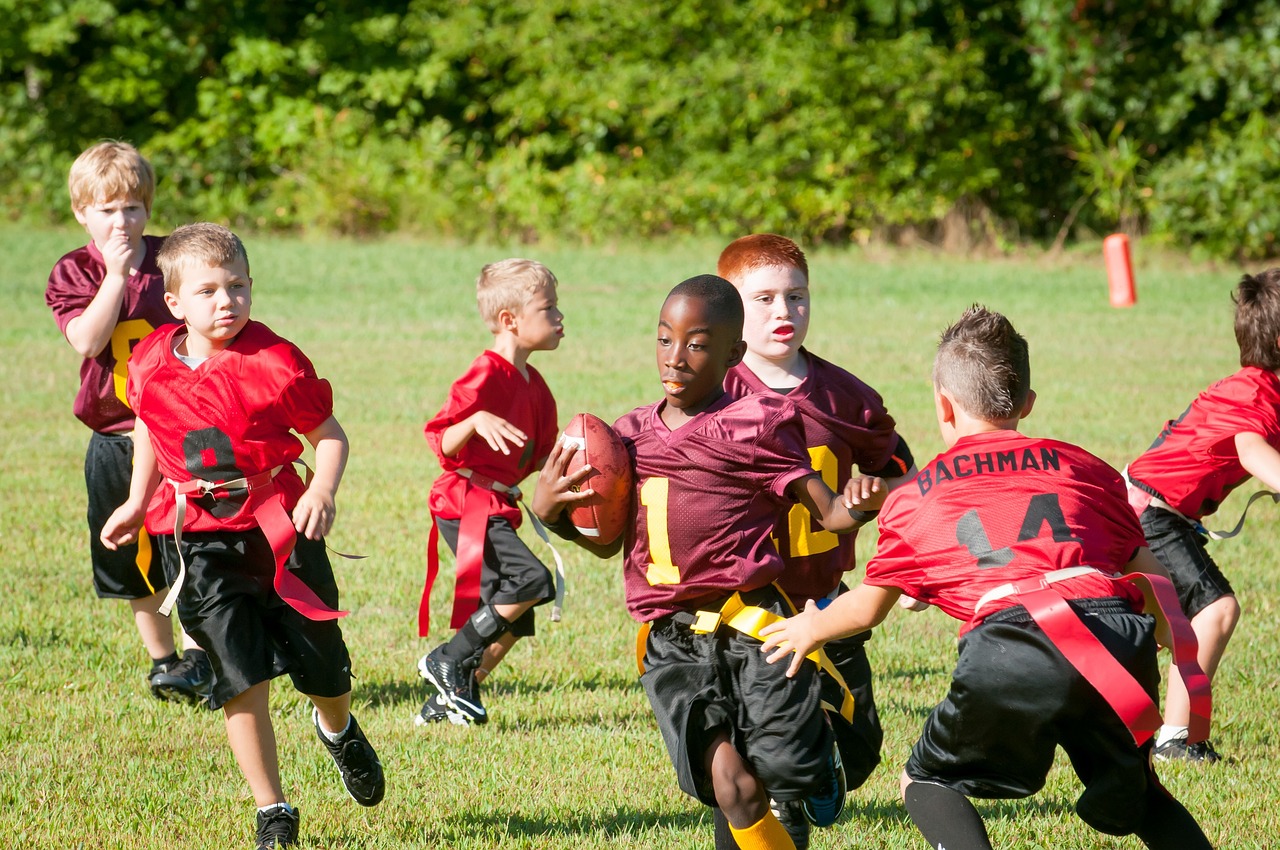
As parents, ensuring the safety and well-being of our children is always a top priority, especially when it comes to their participation in sports. Flag football, while less physically demanding than traditional tackle football, still presents potential risks for injury. In this article, we’ll explore essential safety measures to help protect your child on the flag football field, from proper equipment to injury prevention techniques.
- The Importance of Proper Equipment:
- Proper equipment is essential for safeguarding your child during flag football games and practices. Ensure your child wears a well-fitting mouthguard to protect against dental injuries and invest in quality flag belts to facilitate safe flag pulling.
- Additionally, appropriate footwear with good traction can help prevent slips and falls, reducing the risk of ankle or foot injuries on the field.
- Understanding Flag Football Techniques:
- Educating your child on proper flag football techniques is crucial for injury prevention. Teach them the correct way to pull flags to avoid unnecessary contact and encourage them to practice agility and balance drills to improve their overall coordination and stability on the field.
- Emphasize the importance of respecting opponents and playing with sportsmanship, discouraging aggressive or reckless behavior that could lead to injuries.
- Staying Hydrated and Well-Nourished:
- Hydration plays a vital role in preventing heat-related illnesses and maintaining optimal performance on the field. Encourage your child to drink plenty of water before, during, and after flag football activities, especially on hot or humid days.
- Additionally, provide nutritious snacks and meals to fuel your child’s energy levels and support their recovery after intense physical exertion. A well-balanced diet rich in carbohydrates, protein, and healthy fats can enhance their overall endurance and resilience on the field.
- Recognizing and Responding to Injuries:
- Despite our best efforts to prevent them, injuries can still occur during flag football games or practices. Educate yourself on common flag football injuries, such as sprains, strains, and contusions, and learn how to recognize the signs and symptoms of more serious injuries like concussions.
- If your child sustains an injury on the field, it’s essential to respond promptly and appropriately. Provide first aid as needed, and seek medical attention if the injury is severe or persistent.
Conclusion: By prioritizing safety and taking proactive measures to protect your child on the flag football field, you can ensure they enjoy a safe and rewarding experience. From investing in proper equipment to teaching essential techniques and promoting healthy habits, your efforts can go a long way in minimizing the risk of injuries and maximizing the fun and excitement of flag football for your child.
Scarborough’s Top Flag Football Tips: Sayvion Fullerton Breaks Down Winning Tactics